


Top 5 Ways Nutrition Can Help ADHD Symptoms in Kids.


What if the way your child eats is quietly shaping their focus, mood, and behaviour every single day?
Your child’s brain is deeply influenced by what they eat and nutrition can be a powerful way to support focus, mood, and behaviour.
When your child’s diet is filled with fast acting carbohydrates (such as plain white bread, pasta, or white rice) simple sugars (soft drinks, candy, fruit flavoured drinks) or nutrient devoid ultra processed foods (chips, crackers, pastries) their body and brain will struggle from lack of nutrients. Moods will fluctuate, tantrums will prevail, and focus, impulse control, and emotional regulation will become even harder to manage.
The best diet for ADHD is one that prioritizes nutrient dense foods that focus on specific nutrients that the brain, body, & gut need can shift a child’s behaviours from unmanageable to more regulated & calm.
ADHD is a complex neurodevelopmental condition requiring a multifactorial approach to manage. Nutrition & lifestyle optimization needs to be seen along the same lines as therapy, accommodations, parent education, and medical interventions when we think about ADHD support for our kids.
In this blog post I’ll be covering the top 5 ways nutrition can help ADHD symptoms in kids.
1. Healthy Meals Can Stabilize Blood Sugar for Better Focus & Fewer Meltdowns in Kids with ADHD.

The brain depends on glucose as its primary fuel but for children with ADHD, how stable that fuel supply is matters far more than simply how much they’re getting.
When blood sugar rises and falls quickly, it creates a rollercoaster effect in the brain. Highly processed foods (like breakfast cereals, crackers, juice, granola bars, and packaged snack foods) are rapidly broken down into glucose. This leads to sharp spikes in blood sugar, followed by equally sharp crashes.
Those crashes don’t just affect energy, they can directly impact behaviour, mood, and cognitive function.
When blood sugar drops too quickly, you may notice:
Irritability or emotional outbursts
Poor focus and difficulty staying on task
Increased impulsivity or hyperactivity
Low frustration tolerance
Sudden fatigue or “brain fog”
For kids with ADHD this may look like the 10am crash at school after a high sugar breakfast or the afterschool meltdown as their body is crying out for more fuel.
What’s often happening is that the brain is constantly trying to recover from these dips, making it much harder to maintain steady attention, emotional control, and consistent energy.
Research supports this connection. Blood sugar regulation and metabolic differences have been linked to ADHD symptoms (Lindblad et al., 2015). While sugar itself doesn’t cause ADHD, higher intakes of sugary beverages and ultra-processed foods are associated with increased risk and greater symptom severity (Del-Ponte et al., 2020; Kim et al., 2024).
This is why the goal isn’t to eliminate simple carbohydrates all together, it’s to create more stable, sustained energy throughout the day by pairing carbohydrates with protein, fat, and fibre, and reducing reliance on quick, processed sources of sugar.
What helps:
Build meals with protein + fat + fibre (not just carbs)
Avoid high-sugar breakfasts (like cereal, toast with jam, pastries)
Offer balanced snacks (e.g., apple + nut butter, yogurt + seeds)
Space meals and snacks regularly to prevent energy crashes
Swap ultra-processed snacks for whole food options when possible
Parent tip: Breakfast sets the tone for the entire day. Adding protein in the morning like eggs, turkey patties, or greek yogurt is one of the fastest ways to improve focus and reduce meltdowns.
This is the first pillar I work on with my clients inside my program The Nourished Brain: Your Child’s ADHD Nutrition Blueprint, as blood sugar is the foundation for better focus, moods & emotional regulation.
2. Proper Nutrition Supports Neurotransmitter Production for Better Focus, Mood & Motivation.
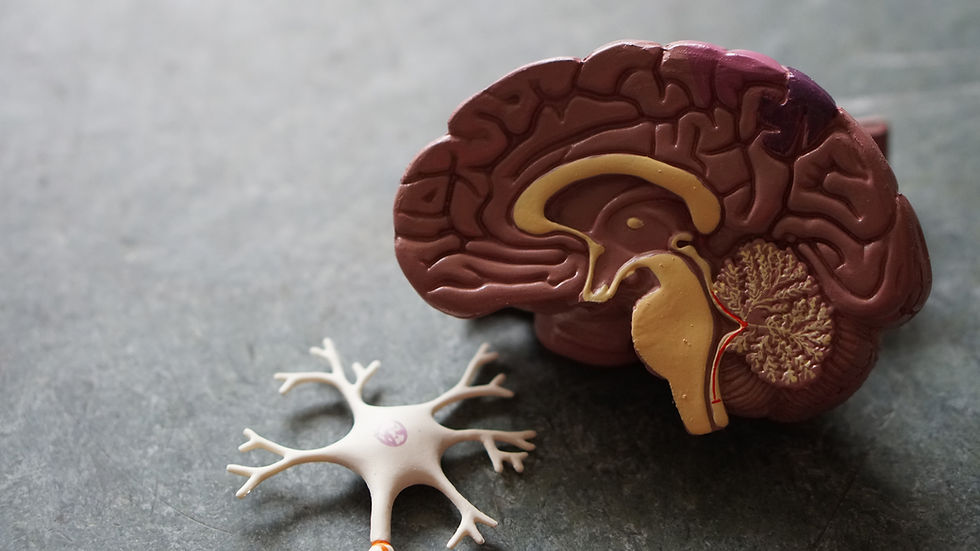
Your child’s ability to focus, stay motivated, and regulate emotions isn’t just behavioural, it’s deeply biological. At the centre of this are neurotransmitters, the brain’s chemical messengers that influence how your child thinks, feels, and responds to the world around them.
Two of the most important ones for ADHD are:
Dopamine → supports focus, motivation, and reward processing
Serotonin → helps regulate mood, emotional stability, and resilience
Here’s what many parents aren’t told: the body doesn’t just make these chemicals out of nowhere. Neurotransmitter production is partially dependent on having the right nutritional building blocks available.
Key nutrients like protein (which provides amino acids), iron, zinc, magnesium, and B vitamins are essential for producing and regulating these brain chemicals. Without enough of these nutrients, the brain quite literally struggles to function optimally.
This is where many families unknowingly run into challenges.
If your child is a picky eater, eats very limited variety, skips meals, or relies heavily on processed foods, they may not be getting enough of the nutrients required to support healthy brain chemistry. Even if they’re eating enough calories, they may still be under-fueled at a neurological level.
Over time, an inadequate intake of required nutrients can show up as:
Difficulty sustaining attention
Low motivation or drive
Increased emotional reactivity
Mood swings or irritability
Research supports this connection: diet quality has been shown to have a direct impact on cognition, behaviour, and academic performance in children (Benton, 2008).
At the end of the day, we can’t expect consistent focus, emotional regulation, or resilience from a brain that doesn’t have the nutrients it needs to do its job.
What helps:
Include a source of protein at every meal (eggs, chicken, beef, beans, lentils, Greek yogurt)
Prioritize iron-rich foods (red meat, lentils, pumpkin seeds)
Add zinc-rich foods (meat, seeds, nuts)
Support with magnesium-rich foods (leafy greens, nuts, seeds, dark chocolate)
Focus on whole, minimally processed meals instead of packaged snacks
Parent tip: If your child is a picky eater, start by upgrading one meal a day (usually breakfast) with protein, this alone can make a noticeable difference in focus and mood.
3. Helps Fill Nutrient Gaps That Are Common in Kids with ADHD.
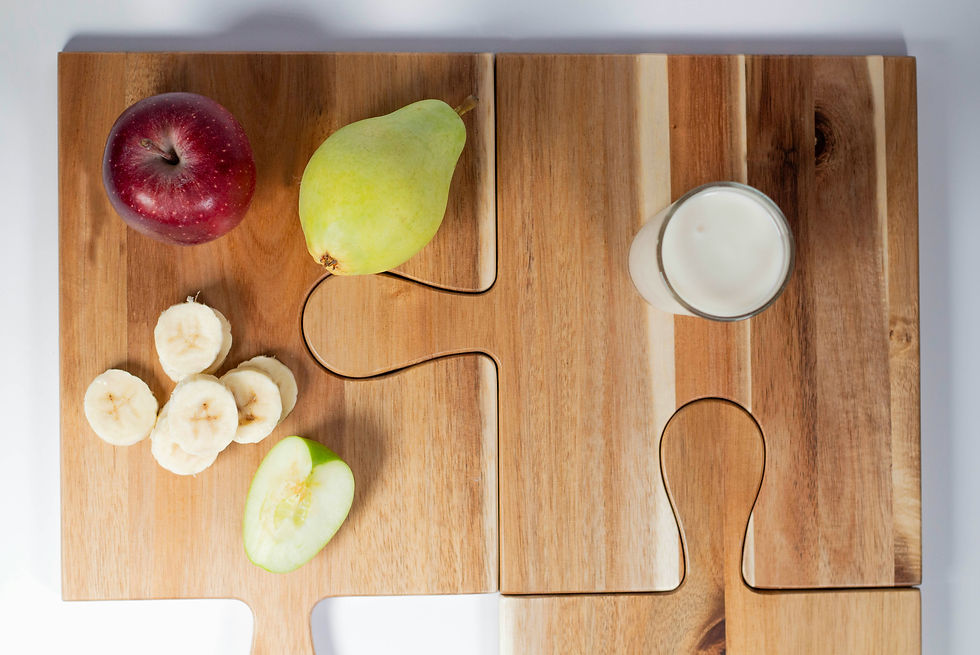
Many children with ADHD don’t just “prefer” certain foods, their eating patterns often become very narrow and repetitive over time. Whether it’s strong texture sensitivities, limited appetite, or a reliance on familiar “kid foods,” many families find themselves stuck in cycles of beige, processed options that feel easy and predictable… but nutritionally incomplete.
While this is incredibly common, it can quietly create gaps in the very nutrients your child’s brain depends on to function well.
Research shows that children with ADHD often have lower intakes of key nutrients such as iron, zinc, magnesium, and omega-3 fatty acids—nutrients that play a foundational role in brain health and regulation.
These nutrients are critical for:
Sustaining attention and focus
Supporting emotional regulation
Healthy brain development and signalling
Calming the nervous system
For example, iron is essential for the production of dopamine, a neurotransmitter directly involved in focus, motivation, and attention. Low iron levels have been associated with increased ADHD symptoms, including inattention and fatigue.
Zinc and magnesium, on the other hand, are heavily involved in neurotransmitter activity and nervous system regulation. They help modulate stress responses, support calming pathways in the brain, and play a role in impulse control and emotional stability (Rucklidge et al., 2018).
Omega-3 fatty acids, particularly those found in fatty fish, are also crucial for brain cell structure and communication, yet are often lacking in children who avoid these foods.
The challenge is that these deficiencies aren’t always obvious. Your child may be eating enough to grow, but still missing the specific nutrients needed for optimal brain function.
When those systems are already under strain, as they often are with ADHD, even small nutrient gaps can have a noticeable impact. Focus becomes harder to sustain, emotions become bigger and more reactive, and daily regulation requires more effort from both you and your child.
This isn’t about perfection, it’s about recognizing where the gaps might be, and supporting the brain with what it actually needs to function at its best.
What helps:
Focus on nutrient-dense whole foods rather than just calories
Include iron-rich foods (red meat, lentils, spinach)
Add zinc sources (meat, pumpkin seeds, cashews)
Prioritize omega-3 fats (fatty fish, flax, chia, walnuts)
Use smoothies or blended meals to increase nutrient intake for picky eaters
Parent tip: You don’t need a perfect diet. Start by upgrading just one or two foods your child already eats (for example, swapping white bread for whole grain or adding seeds to yogurt).
4. Improves Gut Health & Strengthens The Gut–Brain Connection.

Your child’s gut and brain are in constant communication and this connection plays a much bigger role in behaviour, mood, and focus than most people realize.
Often referred to as the “gut-brain axis,” this communication system links the digestive system with the central nervous system. The gut microbiome, the community of bacteria living in the digestive tract, helps regulate key processes like neurotransmitter production, inflammation, and the body’s stress response.
In fact, a significant portion of neurotransmitters like serotonin and dopamine are produced in the gut, not the brain.
Research shows that children with ADHD often have differences in their gut microbiome composition compared to their peers. These imbalances may influence brain function in several ways, including how neurotransmitters are produced and used, how the brain processes reward, and how well behaviour and emotions are regulated (Aarts et al., 2017).
When the gut is out of balance, it can contribute to increased inflammation, disrupted signalling along the gut-brain axis, and greater challenges with mood, focus, and resilience.
The encouraging part? Gut health is something we can actively support through simple, consistent nutrition and lifestyle habits.
Supporting your child’s gut health can help:
Improve mood regulation
Reduce inflammation
Support more stable attention and behaviour
Enhance overall resilience to stress
What helps:
Offer a wide variety of plant foods to support microbial diversity
Include fibre-rich foods daily (vegetables, fruit, beans, whole grains)
Add fermented foods like yogurt, kefir, or sauerkraut (if tolerated)
Reduce ultra-processed foods that can disrupt gut balance
Support regular, consistent meals to promote healthy digestion
Parent tip: Focus on variety over perfection. Different foods feed different types of beneficial bacteria and that diversity is what helps build a more resilient gut, which in turn supports your child’s brain, mood, and behaviour.
5. Identifies Food Triggers That May Be Driving Behaviour.

For some children, food doesn’t just influence overall health, it can have a direct and noticeable impact on behaviour, focus, and emotional regulation.
While not every child with ADHD is sensitive to specific foods, a subset of children do react to certain ingredients in ways that can amplify symptoms like hyperactivity, irritability, or difficulty concentrating.
Common food triggers for kids with ADHD triggers may include:
Artificial food dyes and additives
Highly processed, packaged foods
Specific food sensitivities (such as gluten, dairy, corn, or soy in some children)
These reactions can vary widely. For one child, it might look like increased impulsivity after certain foods; for another, it may show up as mood swings, sleep disruptions, or difficulty focusing the next day.
Research supports this individualized response. In one study, a restricted elimination diet significantly reduced ADHD symptoms in a subset of children (Pelsser et al., 2011). This tells us something important: while food isn’t the root cause of ADHD, it can be a meaningful trigger for some kids.
The key is not to assume every child needs a strict or restrictive diet but to stay curious about whether certain foods may be making things harder than they need to be.
What often happens is that families either overlook food triggers entirely, or swing to the opposite extreme trying to eliminate everything at once. Both approaches can be frustrating and unsustainable.
A more effective approach is thoughtful, strategic, and gradual.
What helps:
Start by reducing ultra-processed foods and artificial additives (this alone can make a noticeable difference)
Watch for patterns. Pay attention to behaviour, mood, sleep, and focus after certain foods
Focus on building a strong whole-food foundation before removing multiple foods
If needed, try a short-term, structured elimination approach with professional guidance
Reintroduce foods slowly to identify true triggers versus coincidence
Parent tip: Avoid the urge to remove everything at once. It often backfires and creates more stress around food. Start with the biggest, most impactful changes (like artificial dyes or highly processed snacks), and build from there in a way that feels manageable and sustainable for your family.
The Bottom Line
If you’re constantly wondering:
“Why is my child so different from day to day?”
“Why do small things turn into huge meltdowns?”
Nutrition may be a missing piece.
When you support blood sugar stability, brain chemistry, nutrient gaps, gut health, and identify food triggers you’re not just managing behaviour, you’re supporting your child’s brain.
Where Most Parents Get Stuck.
Most parents don’t need more information, they’re already overwhelmed with it. They’ve read the blogs, tried cutting sugar, added supplements, switched diets, and downloaded all the “expert” advice… but nothing seems to stick. Not because they aren’t trying hard enough, but because they’re trying everything at once without a clear plan.
That’s where they get stuck.
When you don’t know what to prioritize, every change feels urgent and quickly becomes unsustainable. One week it’s food, the next it’s routines, then behaviour strategies… and before long, it’s too much to keep up with. Progress feels inconsistent, frustrating, and easy to abandon.
What most families actually need isn’t more to do. They need a clear path, simple steps, and the right support to focus on what will make the biggest impact first.
Ready to See Real Changes in your child’s ADHD symptoms?
If you’re ready to stop guessing and start seeing consistent improvements in your child’s focus, mood, and behaviour The Nourished Brain: Your Child’s ADHD Nutrition Blueprint is your next step.
Inside this 16-week 1:1program, you’ll get:
A clear, step-by-step plan to follow
Guidance on what to focus on first
Resources to implement changes without the overwhelm
1:1 parent support and troubleshooting
Book Your FREE discovery call now to see if this program could be the missing link you need to reduce the chaos and reclaim the calm in your home.
References
Aarts, E., Ederveen, T. H. A., Naaijen, J., Zwiers, M. P., Boekhorst, J., Timmerman, H. M., & Franke, B. (2017). Gut microbiome in ADHD and its relation to neural reward anticipation. PLOS ONE, 12(9), e0183509. https://doi.org/10.1371/journal.pone.0183509
Benton, D. (2008). The influence of children’s diet on their cognition and behavior. European Journal of Nutrition, 47(Suppl 3), 25–37. https://doi.org/10.1007/s00394-008-3003-x
Del-Ponte, B., Anselmi, L., Assunção, M. C. F., & Tovo-Rodrigues, L. (2020). Sugar consumption, sugar-sweetened beverages and ADHD: A systematic review and meta-analysis. Complementary Therapies in Medicine, 53, 102512. https://doi.org/10.1016/j.ctim.2020.102512
Kim, S., Shin, J., Cha, H. R., Ha, E. K., Kim, J. H., & Han, M. Y. (2024). Consumption of sugar-sweetened beverages before 2 years of age and ADHD. Annals of Nutrition and Metabolism, 80(5), 276–286. https://doi.org/10.1159/000539458
Lindblad, F., Eickhoff, M., Forslund, A. H., Isaksson, J., & Gustafsson, J. (2015). Fasting blood glucose and HbA1c in children with ADHD. Psychiatry Research, 226(2–3), 515–516. https://doi.org/10.1016/j.psychres.2015.01.028
Rucklidge, J. J., Frampton, C. M., Gorman, B., & Boggis, A. (2018).Vitamin–mineral treatment of ADHD in adults: A double-blind randomised placebo-controlled trial. The British Journal of Psychiatry, 213(5), 707–714. DOI: 10.1192/bjp.bp.113.132126
Pelsser, L. M. J., Frankena, K., Toorman, J., Rodrigues Pereira, R., & Buitelaar, J. K. (2011). Effects of a restricted elimination diet on ADHD. The Lancet, 377(9764), 494–503. https://doi.org/10.1016/S0140-6736(10)62227-1
Disclaimer: Information on this website is for educational purposes only and is not intended as medical advice to diagnose, treat or cure any illness or condition. Always consult your healthcare provider for medical advice.


Comments