


ADHD Diet for Kids: How Balanced Meals Support Focus, Mood, and Behaviour.


If you are raising a child with ADHD, you already know what the afternoons can look like.
The meltdowns that seem to erupt from nowhere the moment they walk through the door, the irritability that lingers long into the evening, the restless nights that leave your child exhausted and overwhelmed all over again the next morning.
You have probably tried more than you can count: the therapist, the referrals, the medication adjustments, the strategies from school, yet your child is still struggling in ways that are genuinely heartbreaking.
What frequently overlooked and most parents are never told is that nutrition is often the missing piece of the puzzle.
When a child's meals are consistently unbalanced or their diet is heavy in processed foods, it creates a cascade of effects in the body including:
nutrient depletion
increased inflammation
gut health challenges
blood sugar instability
All of these can quietly but meaningfully amplify the severity of ADHD symptoms.
This does not mean that food is the cause or the cure.
It means that what your child eats every day is either working with their brain or against it, and that is absolutely worth paying attention to.
Why Nutrition Matters for the ADHD Brain
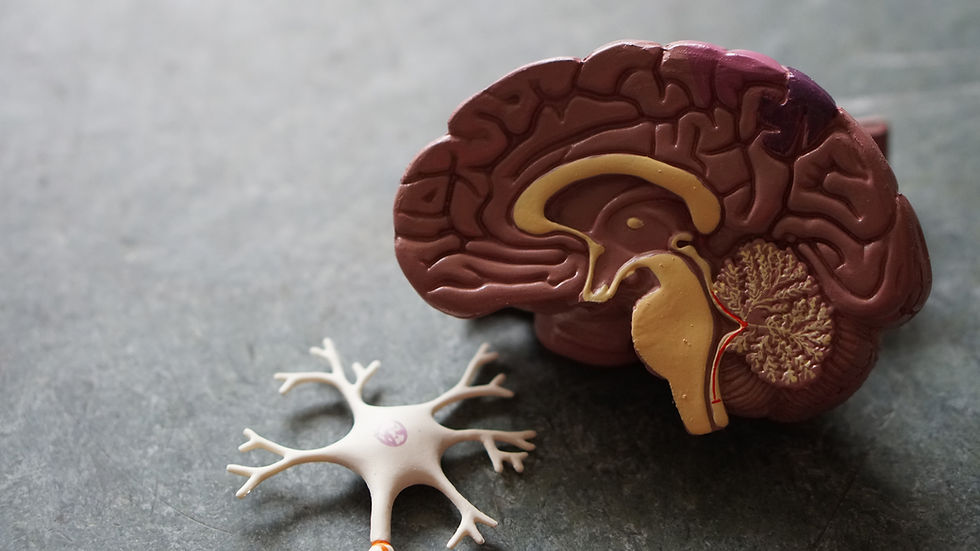
The brain is the hungriest organ in the human body. At rest, it consumes up to 20% of the body's total energy, which means it depends on a steady, reliable supply of nutrients throughout the day to function at its best.
For children with ADHD, whose brains are already working overtime to regulate attention, impulse control, and emotional responses, consistent and nourishing fuel becomes especially important.
When a child's meals provide a steady stream of energy from quality sources, the brain has what it needs to support focus, emotional regulation, and more predictable behaviour patterns.
This translates into:
fewer meltdowns
smoother mornings
calmer after-school hours
less walking on eggshells around your child
less stress for everybody
These outcomes feel significant when you have been living in the chaos for a long time.
One of the most immediate ways food influences ADHD symptoms is through blood sugar regulation. When a child eats a meal that is heavy in refined carbohydrates and low in protein, fibre, or fat, their blood sugar spikes quickly and crashes just as fast, sometimes within an hour or two.
That crash is not subtle.
In a child with ADHD, it can show up as intense irritability, sudden fatigue, difficulty concentrating, or emotional outbursts that seem completely out of proportion to whatever triggered them.
Building meals that provide a slower, more stable release of energy helps smooth out those peaks and valleys, and the difference parents often notice in their child's behaviour can be significant.
Another important piece of the puzzle is the gut-brain connection that rarely gets the attention it deserves in conversations about ADHD. A large proportion of the body's neurotransmitters, including dopamine, which plays a central role in focus, motivation, and mood, and serotonin, which influences emotional regulation, sleep, and digestion, are produced in the gut.
When the gut environment is compromised by a diet high in ultra-processed foods, low in fibre, or disrupted by chronic digestive issues, brain function and emotional regulation can suffer as well.
Many children with ADHD already struggle with gut health challenges, which means that nourishing the gut through food is not a small or optional piece of the picture.
If you want a deeper look at how the gut-brain connection specifically affects children with ADHD, I covered this in detail in section 4 of Top 5 Ways Nutrition Can Help ADHD Symptoms in Kids which is worth reading alongside this one.
An ADHD supportive diet is how you supply the brain with the key micronutrients needed to support ADHD brain functions day to day.
Magnesium helps regulate the nervous system and is commonly depleted in children with ADHD, with low levels linked to increased hyperactivity, poor sleep, and difficulty managing stress.
Iron is essential for the production of dopamine, and research consistently shows that children with ADHD tend to have lower iron stores than their neurotypical peers, even when they are not clinically anaemic.
Zinc supports dopamine metabolism and neurotransmitter signalling, while B vitamins, particularly B6 and B12, are required for the brain to convert the amino acids from protein into the neurotransmitters that govern attention, mood, and impulse control.
Consistently offering a varied diet rich in whole foods, including quality proteins, leafy greens, legumes, and seeds, is basis of the ADHD diet & one of the most meaningful ways to help keep these micronutrients stocked and your child's brain properly resourced.
What Is a Balanced Meal?

A balanced meal contains all three macronutrients, which are protein, fibre, and healthy fats, in appropriate proportions and from whole food sources.
The goal is not perfection or restriction.
It is simply to limit the foods that work against the ADHD brain, particularly ultra-processed foods and refined carbohydrates that spike blood sugar, feed harmful gut bacteria, and offer minimal nutritional value, and to replace them over time with foods that genuinely support brain function.
It is worth noting that "balanced" does not mean complicated.
Grilled chicken with rice & snow peas drizzled in olive oil qualifies.
A lunch of canned tuna mixed with mayo on whole grain crackers next to apple slices counts too.
The bar is not as high as it might feel when you are in survival mode, and small upgrades to existing meals go further than you might expect.
A bowl of sugary cereal for breakfast sets a child up for an energy crash by mid-morning, which often shows up as difficulty focusing in class or a meltdown before lunch.
A simple plate of scrambled eggs, half an avocado & a slice of whole grain toast on the other hand, provides the brain with a slower, steadier release of energy that supports more stable attention and mood through the first half of the school day.
*
Protein, Fibre, and Fat: The Balancing Trio in the ADHD Diet

Understanding what each macronutrient contributes to brain health helps make building balanced meals feel purposeful rather than overwhelming. Here is what each one brings to the table for an ADHD brain.
Protein provides the amino acids that serve as building blocks for neurotransmitters, including dopamine and serotonin. It supports growth and immune function, helps maintain stable blood sugar levels between meals, and keeps children feeling full and satisfied for longer.
For children with ADHD who tend to graze, show low appetite, or are on stimulant medication that suppresses hunger, protein-rich foods are especially valuable because they provide concentrated nutrition in relatively small amounts.
Kid-friendly protein sources include:
chicken
ground beef or turkey
salmon or tuna
eggs
cheese sticks
Greek yogurt
nut butters
beans and lentils.
Fibre is fermented by bacteria in the gut to produce short-chain fatty acids, which support the gut lining, reduce inflammation, and play a meaningful role in modulating mood and brain function through the gut-brain axis.
For children who already experience chronic digestive issues, which is very common in ADHD, a diet rich in fibre helps support the gut environment and, by extension, the way the brain feels and functions day to day.
Getting enough fibre does not have to mean convincing your child to eat a salad, because there are plenty of options that are genuinely kid-friendly.
Kid-friendly fibre sources include:
rolled oats
whole fruits with the skin on (especially apples, pears, and berries)
veggie sticks
popcorn
green peas
chia pudding
beans
chickpeas
lentils
whole grain bread, pasta, or crackers
Fat makes up nearly 60% of the brain's dry weight, which makes it a critical nutrient for brain structure and function. Essential fatty acids, particularly the omega-3s found in fatty fish, support cognitive function and healthy neurotransmitter regulation.
Healthy fats are also calorie-dense, which makes them especially helpful for children who struggle with low appetite or who are losing weight as a side effect of medication.
Kid-friendly fat sources include:
avocado
olive oil
nut and seed butters
coconut cream
full-fat dairy
egg yolks
butter or ghee.
Putting It All Together: Practical Meal Ideas

If you are feeling overwhelmed by the idea of overhauling your child's meals, take a breath, because you do not need to change everything at once.
The most sustainable approach is to start with the meals your child already eats and build in small additions that move them closer to balance.
Add hemp hearts and berries to their cereal.
Drizzle a good-quality olive oil over plain pasta.
Serve fish crackers with a side of hummus or almond butter.
Offer a cheese stick or a hard-boiled egg alongside whatever they are already eating.
These small additions cost almost no extra effort and they add up in ways that genuinely matter over time.
When your child is ready for more variety, here are some balanced, kid-friendly meal ideas to try serving these meals:
Breakfast
Scrambled eggs with avocado and a slice of sourdough toast
Rolled oats cooked in creamy coconut milk and topped with almond butter and blackberries
Greek yogurt topped with granola, hemp hearts, and raspberries
Lunch
Grilled chicken and avocado wrap with apple slices and a Greek yogurt dip
Pasta salad with chickpeas, cherry tomatoes, cucumber, and a drizzle of olive oil
A bento box with a boiled egg, cheese cubes, almond crackers, snap peas, and a handful of berries
Dinner
Taco salad bowls with seasoned meat, black beans, rice, finely shredded lettuce, cherry tomatoes, corn, and guacamole
Sheet pan chicken thighs with roasted sweet potato and green beans
Grilled salmon with mashed potatoes and broccoli
Snacks
Veggie sticks with white bean dip
Colourful fruit salad with a drizzle of coconut cream
Banana roll-up with a high-protein wrap and peanut butter
Trail mix with nuts, seeds, and dried fruit
Pear slices with almond butter
This is where working with a practitioner who specialises in ADHD nutrition can make a real difference. In my 1:1 program, The Nourished Brain: Your Child's ADHD Nutrition Blueprint, we build a personalised meal and nutrition plan that takes into account your child's specific symptom picture, food preferences, and family life, so that the changes you make are actually sustainable and built around what is realistic for your household.
Focus on Progress Over Perfection

Changing a child's eating habits takes time, and it helps enormously to go in knowing that.
Research shows that children may need to be exposed to a new food up to twenty times before they are willing to try it, which means that consistency matters far more than speed.
The key is staying steady without pressure, so no nagging, bribing, or guilting around food, and keeping mealtimes as low-stress as possible so that new foods have a genuine chance of being accepted over time.
It is also worth being patient with yourself as a parent. You are making changes while already running on empty, managing school calls, navigating meltdowns, and carrying the mental load of figuring all of this out, and that deserves to be acknowledged.
Small, consistent adjustments made with care and without self-judgment are what build lasting results.
You do not need to do everything at once.
You do not need to be perfect.
Every small step you take toward building more balanced meals for a supportive ADHD diet is a step toward supporting your child's brain, and that matters even on the weeks when it does not feel like it does.
If you are ready to move beyond general tips and want a clear, structured plan built specifically around your child's needs, that is exactly what we do together in The Nourished Brain.
You can learn more and book a free discovery call to find out whether it is the right next step for your family. I can't wait to support you!


Comments