


Gut Health and ADHD Symptoms in Children: What Most Parents Aren't Told.


If you've been told that diet has nothing to do with your child's ADHD symptoms, you're not alone, and you're not wrong to question it.
So many of the parents I work with arrive having heard nutrition doesn't matter from a doctor they trusted, even though their own instincts kept pointing somewhere else.
That somewhere is very often the gut.
I understand the exhaustion behind that question, because I've lived it. I spent years walking on eggshells in my own home, dreading the school's number coming up on my phone, watching my sons struggle in ways that medication and therapy alone weren't resolving. When I started looking at what was happening in his gut, things finally began to shift.
The science here has moved quickly, and the picture it paints is genuinely encouraging. The connection between gut health and ADHD is real, it is measurable, and most importantly for you, it gives parents something concrete to work with.
In this post I'll walk you through what the gut-brain axis actually is, why gut health matters so much for children with ADHD, the dopamine and serotonin link that ties it all together, what damages a child's gut in the first place, and a few simple changes you can start with this week.
What the gut-brain axis actually means for your child with ADHD.
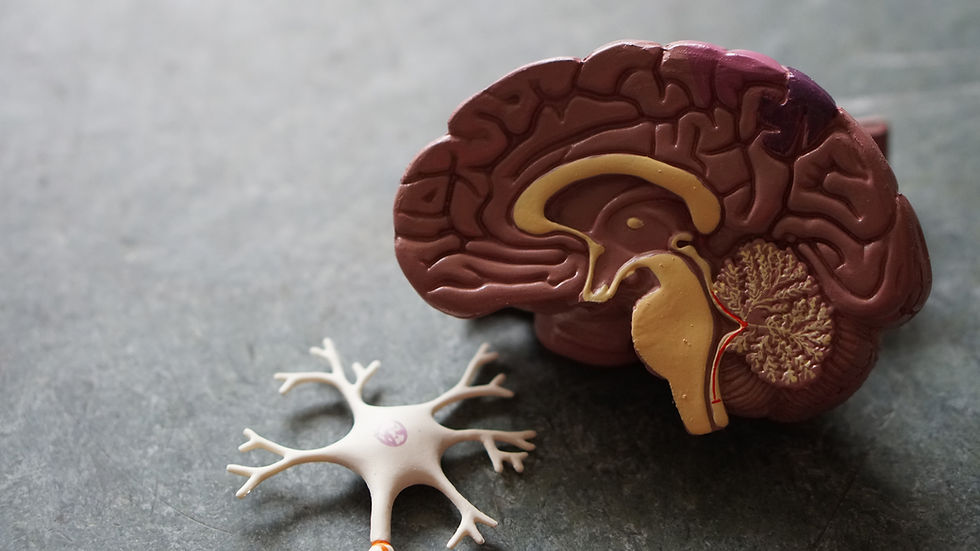
The gut-brain axis is the two-way communication system that runs between the digestive tract and the brain.
These two organs are in constant conversation through nerves, hormones, the immune system, and the chemical messengers produced by the trillions of bacteria living in the gut.
When researchers talk about the microbiota-gut-brain axis, they're describing exactly this network, and over the past fifteen years it has become one of the most active areas in neuroscience.
A major review in Physiological Reviews describes the gut microbiome as a key regulator of brain function, communicating with the brain through several routes at once: the immune system, the metabolism of an amino acid called tryptophan, short-chain fatty acids made by gut bacteria, and the vagus nerve.
The vagus nerve is worth understanding here, because roughly eighty percent of its fibres carry information from the gut up to the brain rather than the other way around. Your child's gut is constantly sending signals upward, and the quality of those signals depends a great deal on what is happening in the digestive tract.
For a child with ADHD, this matters in a very practical way. A gut that is inflamed, imbalanced, or poorly fed is sending a different set of messages to the brain than a gut that is well nourished and balanced, and those messages influence focus, mood, and the ability to stay regulated through an ordinary school day.
Gut health and ADHD: why it matters.

Children with ADHD tend to have a measurably different gut microbiome than children without it.
A systematic review published in Pediatric Research examined the relationship across multiple studies and found consistent associations between features of the gut microbiome and ADHD.
A separate systematic review reported that children with ADHD often show reduced levels of beneficial bacteria such as Faecalibacterium alongside shifts in other bacterial groups, and that these differences may influence neurotransmitter production and inflammation.
The encouraging part is what some of this research suggests about early life. A narrative review of gut microbiota in children with ADHD describes how the balance of bacteria established in the first years of life appears to be linked to later neurodevelopment, including attention and behaviour.
None of this means the gut single-handedly explains ADHD, and I want to be clear about that, because for some children the gut is a significant piece and for others it is one factor among several. What it does mean is that supporting your child's gut is one of the few levers you can actually reach for at home, and the evidence suggests it is a meaningful one.
This is also why cutting out sugar alone rarely does the trick. The goal isn't to remove one villain food. The goal is to build a gut environment that produces less inflammation and supports the chemistry your child's brain depends on.
The dopamine and serotonin link to the gut.

Here is the part that surprises most parents, and it's the part that helped everything click for me. The two brain chemicals most associated with ADHD, dopamine and serotonin, are deeply tied to the gut.
Around ninety to ninety-five percent of the body's serotonin is produced not in the brain but in the gut, by specialised cells in the lining of the digestive tract. The research on gut-derived serotonin describes how these cells, working alongside certain gut bacteria, manufacture serotonin from the amino acid tryptophan that comes in through food.
Gut bacteria are also involved in the pathways that produce and regulate dopamine, the chemical most closely linked to focus, motivation, and reward in children with ADHD.
I want to give you the honest, evidence-based version of this, because the internet tends to overstate it. The serotonin made in the gut does not simply travel up and flood the brain, as the two are separated by a protective barrier.
What the gut does instead is shape the raw materials, the signalling, and the inflammatory environment that the brain relies on to make and use these chemicals well. When the gut is inflamed or the bacterial balance is off, that whole supply chain is disrupted.
When the gut is well fed and balanced, you are supporting the conditions your child's brain needs to regulate mood and attention. That is the real link, and it is reason enough to take gut health seriously.
Risk factors for a damaged or imbalanced gut.

A child's gut microbiome starts forming at birth and develops rapidly through the early years. Several common factors can knock that development off course, and recognising them often helps parents make sense of what's really going on.
Research on the developing infant and child microbiome points to a handful of influences that come up again and again:
Birth by cesarean section, which changes the first bacteria a baby is exposed to compared with vaginal birth.
Antibiotic use in early childhood, which can reduce beneficial bacteria and, as one review in FEMS Microbiology Reviews describes, leave a lasting mark on the developing gut.
Limited or no breastfeeding, since breast milk helps seed and feed beneficial bacteria.
A diet high in ultra-processed foods, refined sugar, and additives, which tends to feed less helpful bacteria and starve the beneficial ones.
Low dietary fibre, because fibre is the main fuel for the bacteria that produce calming, anti-inflammatory compounds.
Chronic stress and poor sleep, both of which influence gut function and bacterial balance through the same gut-brain axis we've been talking about.
If several of these feel familiar, please hear me clearly, because this isn't about blame and it certainly isn't about perfection. Most of these factors are completely outside a parent's control, and knowing about them simply helps us understand where to focus now. The gut is remarkably responsive, and the right changes can shift its balance at any age.
Simple tips to improve your child's gut health.

You don't need to overhaul everything at once, and honestly, trying to usually backfires. I always tell parents to start with the biggest, most impactful changes and build from there.
Here is where I'd begin:
Feed the good bacteria with fibre and variety.
The bacteria that produce calming, anti-inflammatory compounds live on the fibre in plants. Aim to gradually add more vegetables, fruit, beans, lentils, oats, and whole grains, and think variety rather than volume, since different plants feed different beneficial species.
Add fermented foods in small, manageable amounts.
Plain yoghurt, kefir, and similar fermented foods introduce beneficial bacteria directly. For a picky or sensory-sensitive eater, start tiny, even a spoonful stirred into something familiar counts as progress.
Anchor the day with a protein-and-fat breakfast.
Something like eggs with avocado, or yoghurt with seeds and berries, supports steadier blood sugar and provides the building blocks, including tryptophan, that the gut uses to make neurotransmitters. This one change often sets a calmer tone for the entire school day.
Crowd out the ultra-processed foods rather than banning them.
Instead of declaring war on a favourite snack, keep adding whole foods until the processed ones naturally take up less space. This feels far less restrictive for the child and tends to actually stick.
Protect sleep and lower daily stress where you can.
Because the gut and brain talk constantly, calmer routines and better sleep genuinely support gut function, not just behaviour.
These steps help many children, and they are a sound place to start. Every child is different, though, and a picky eater with a handful of safe foods, ongoing meltdowns, and possible nutrient gaps needs more than a generic list. That is exactly where a personalised plan changes things.
How The Nourished Brain program helps you connect the dots.

What most parents aren't told is that supporting a child's gut isn't about one supplement or one diet rule.
It's about understanding what's really going on for your specific child and building a clear, step-by-step plan around it.
That is the work I do inside The Nourished Brain program.
The Nourished Brain is my 16-week one-to-one program for parents of children with ADHD who are ready to stop guessing.
We begin with a thorough intake, a symptom assessment, and a look at your child's actual eating patterns, then I build a personalised nutrition and lifestyle plan that fits your family's real life.
Gut health and the gut-brain connection are one of the core pillars we work through together, alongside blood sugar stability, nutrient gaps, food sensitivities, and the lifestyle foundations of sleep and routine.
You're never handed a list and left to figure it out alone, because we meet regularly to adjust, troubleshoot, and celebrate the wins as they come.
I built this program because I needed it myself, when I was sitting across from yet another practitioner with a list of supplements and no idea what to do first.
Watching my own sons change in ways I'd been told weren't possible through nutrition is the reason I do this work.
Bringing it home.

The connection between gut health and ADHD in children is one of the most promising and underused tools parents have.
The gut and brain are in constant conversation, that conversation shapes the dopamine and serotonin chemistry behind focus and mood, and you can influence it through everyday food and lifestyle choices. This isn't about perfection or miracle claims. It's about giving your child's brain the conditions it needs to do its job.
If you're exhausted from the daily chaos and ready for a clear plan from someone who actually gets it, I'd love to help you take the next step.
Book your free discovery call to see if The Nourished Brain is the right next step for your family.
Note: This article is for general educational purposes and is not a substitute for individualised medical or nutritional advice.


Comments